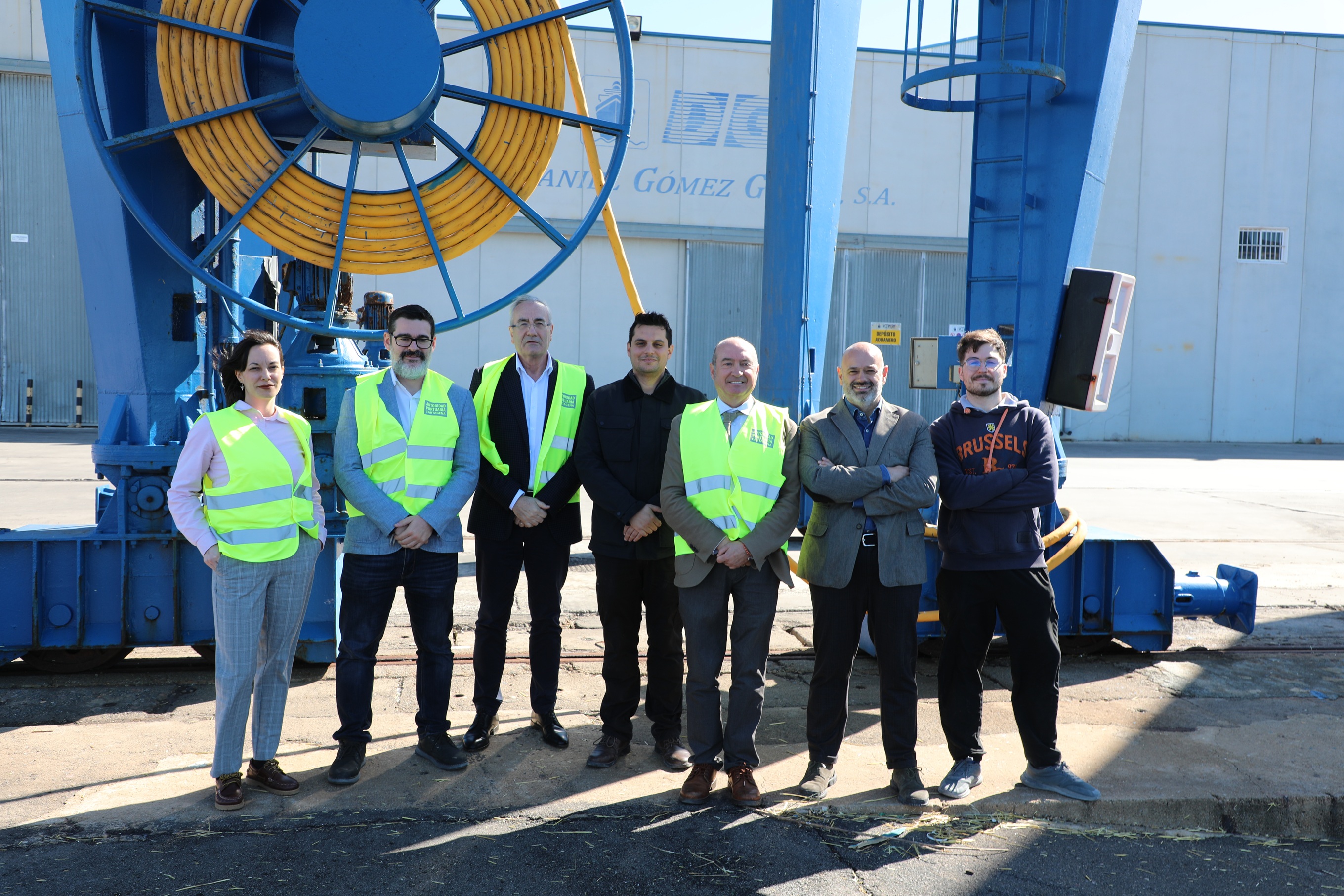
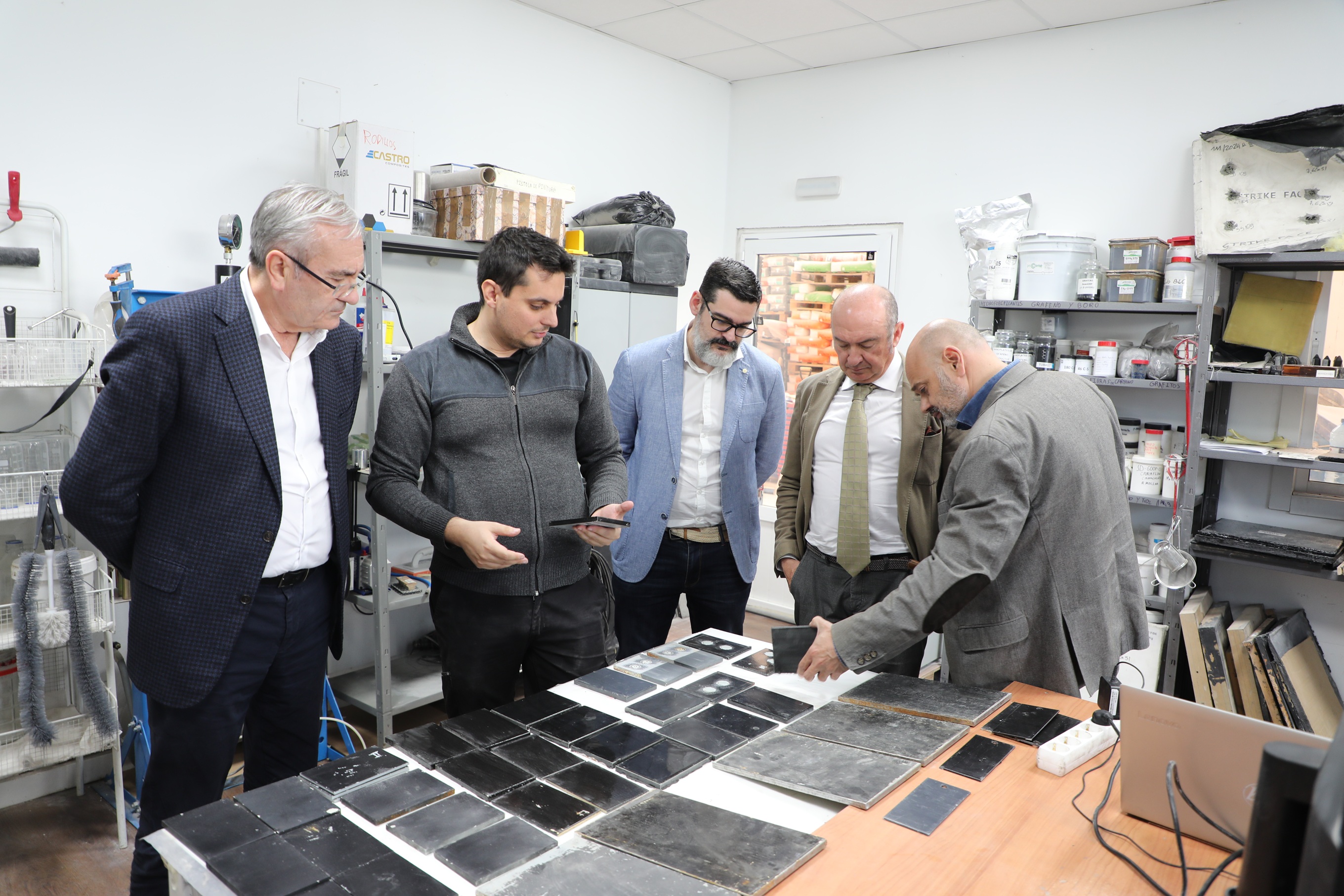
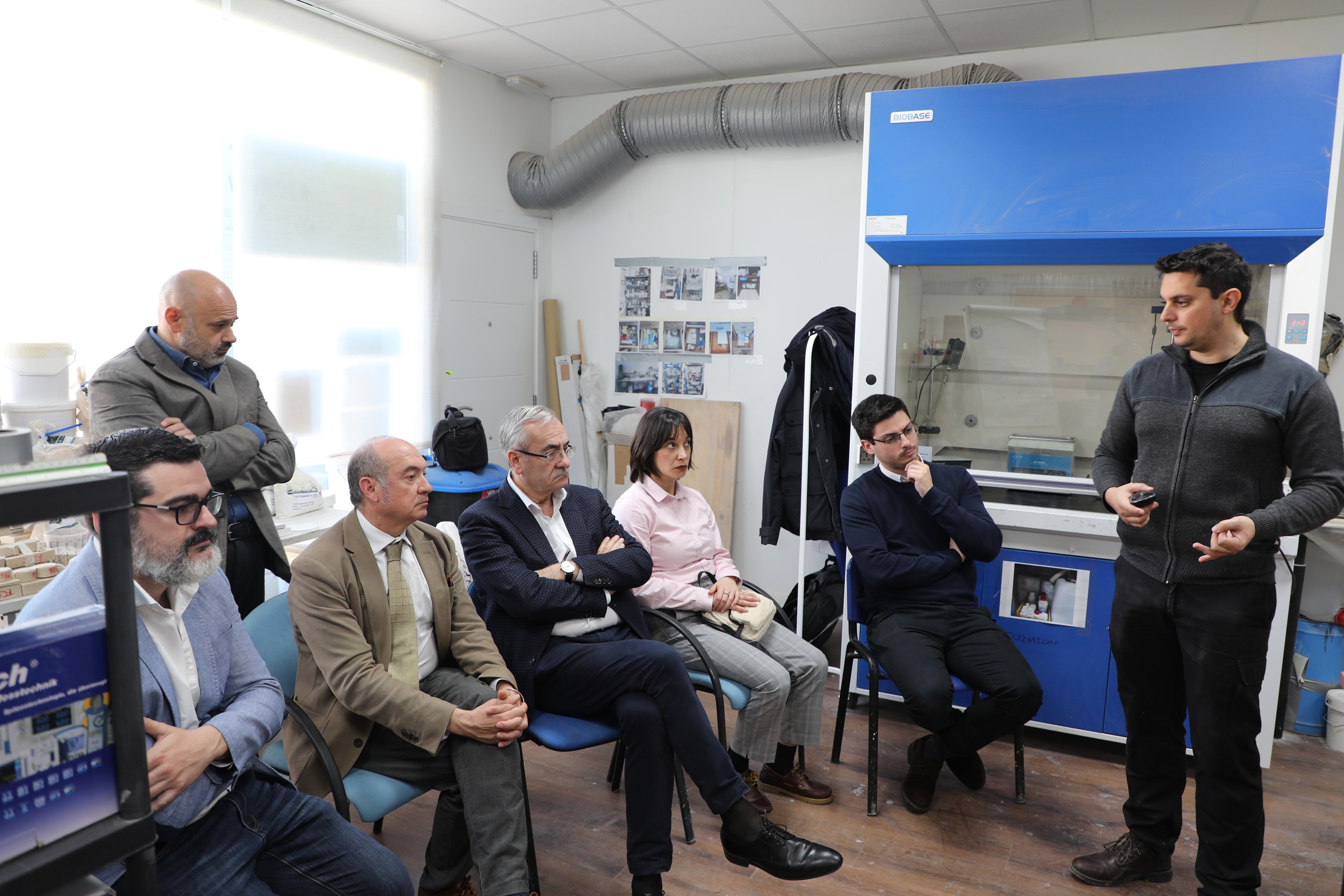
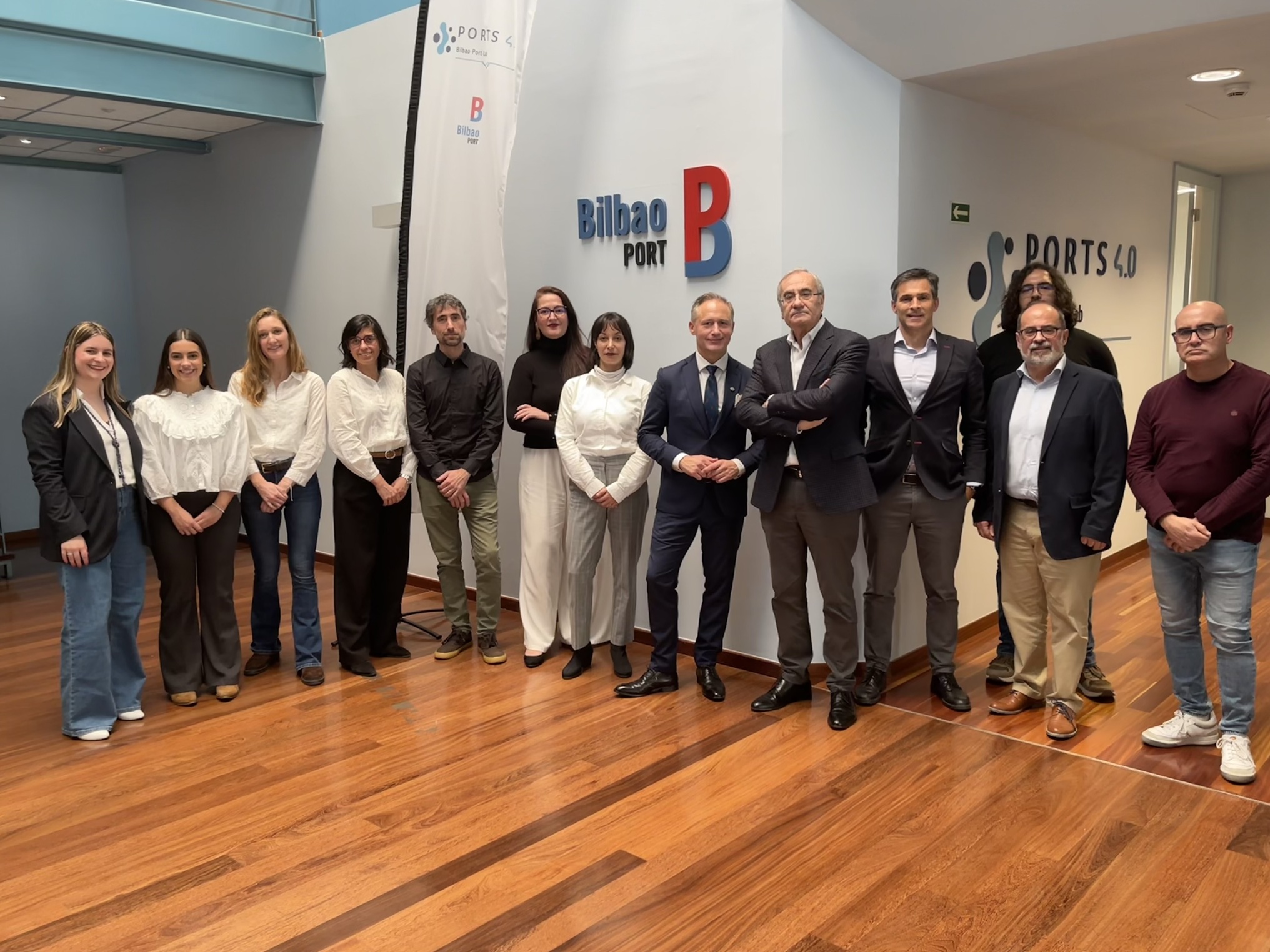
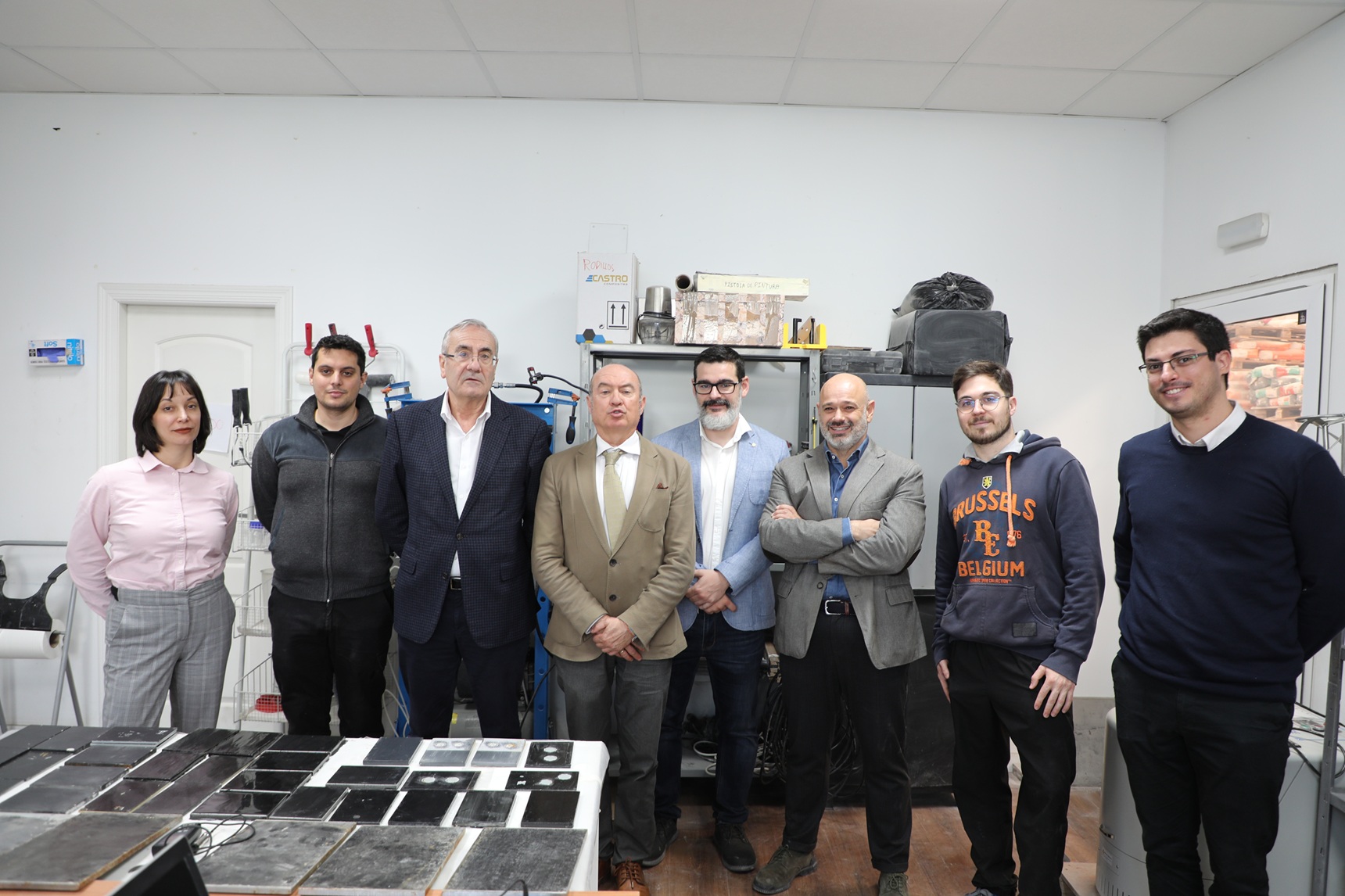
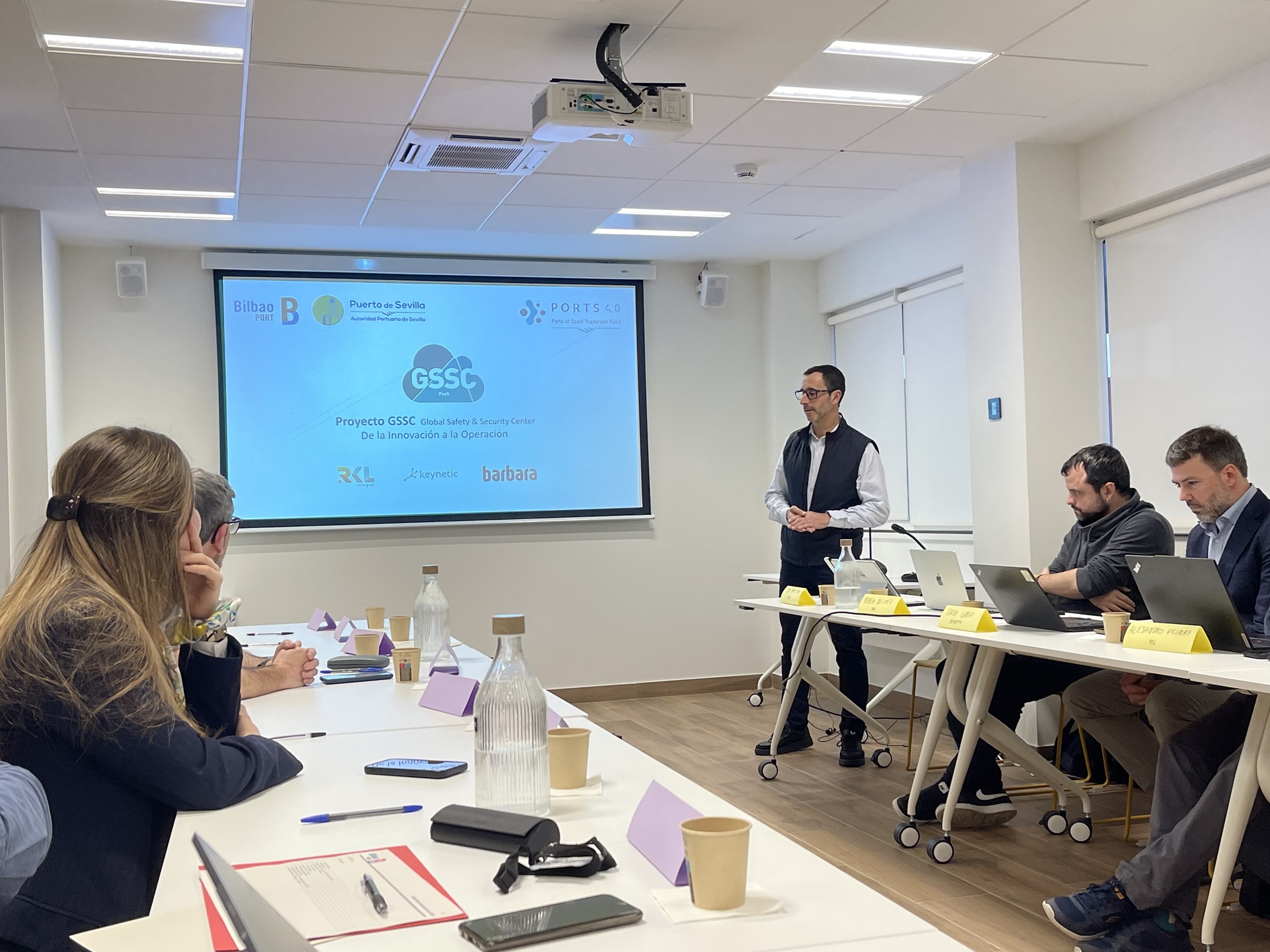
The company Nanocarbonoids and the Port Authority of Cartagena have completed the testing of a new advanced paint for ships and docks. The Carthago Coating project, subsidized by the Ports 4.0 Fund of Puertos del Estado, has carried out the final demonstration of the project that has been carried out in the facilities of the Port of Cartagena. The test has been attended by the people in charge of Innovation of Puertos del Estado, together with the people in charge of the project on behalf of Nanocarbonoids and the Port Authority of Cartagena.
This innovative solution is based on applied nanotechnology, using graphene nanomaterials that act as structural reinforcement within the polymeric matrix of the coating. Thanks to the incorporation of graphene particles, the system offers improved barrier properties, hydrophobicity, chemical stability and mechanical resistance, positioning itself as a disruptive technological alternative in the field of marine coatings.
The coating acts as a highly durable shield: on the one hand, it protects the metal against oxidation and salt corrosion; on the other hand, it reduces the adhesion of marine organisms, such as algae and mollusks, minimizing the formation of biofouling. Keeping the surface cleaner and smoother is a direct benefit in maritime operations, as it reduces hydrodynamic resistance, contributes to energy savings and reduces associated emissions. In addition, the technology developed facilitates compliance with the IMO’s IMO Guidelines for the Control and Management of Biofoulingaimed at preventing the spread of invasive species.
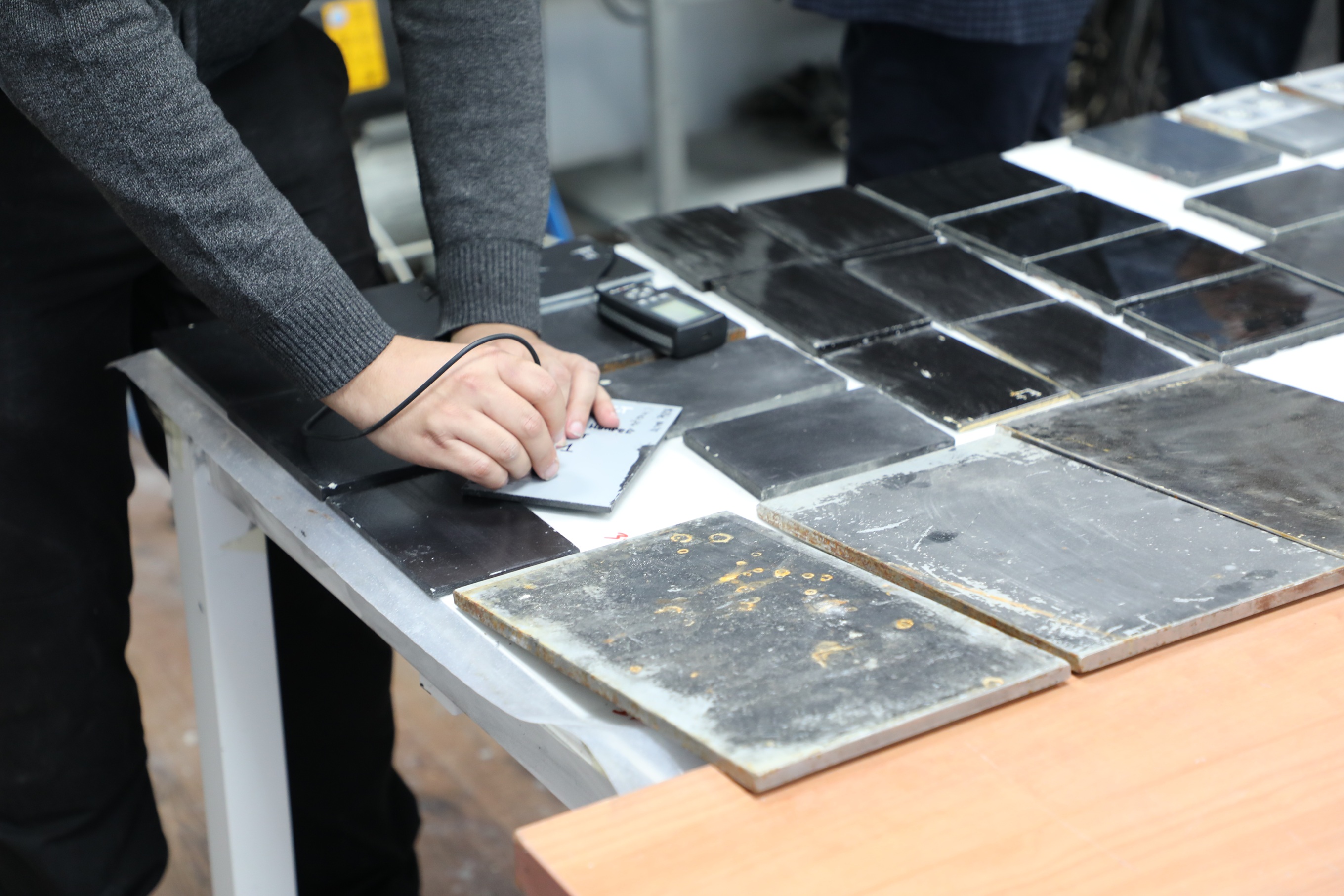
Tests were carried out under real conditions in the waters of the Port of Cartagena. During this period, the materials were exposed to sun, waves, currents, thermal changes and corrosive environments. The results have been favorable: the coating has shown excellent anticorrosive integrity, high thickness stability and significantly more robust behavior than many conventional solutions on the market. In parallel, the technical team continues to optimize the antifouling formulation to further improve its performance against marine life.
The nanotechnology approach allows this system to be more respectful of the marine environment by reducing the need for aggressive chemicals and lengthening maintenance cycles, which reduces both the waste generated and the impact on the ecosystem.
The ultimate goal is to bring this technology to market on a large scale, so that ports, shipping lines and maritime operators can benefit from a more sustainable solution, with lower maintenance costs and an overall improvement in the operational performance of vessels and infrastructure.