As part of the Puertos del Estado Ports 4.0 initiative, a solution is being promoted that addresses one of the major challenges in maritime logistics: the lack of real-time visibility into the status of cargo. CLCircular, developed by Arctic Sea, combines reusable IoT sensors, advanced analytics, and a cloud platform to provide continuous information on critical conditions such as temperature, humidity, and location. This model not only improves decision-making during transport but also introduces a more efficient and sustainable approach through the reuse of devices and the optimization of reverse logistics.
Could you briefly describe the project and its main objective?
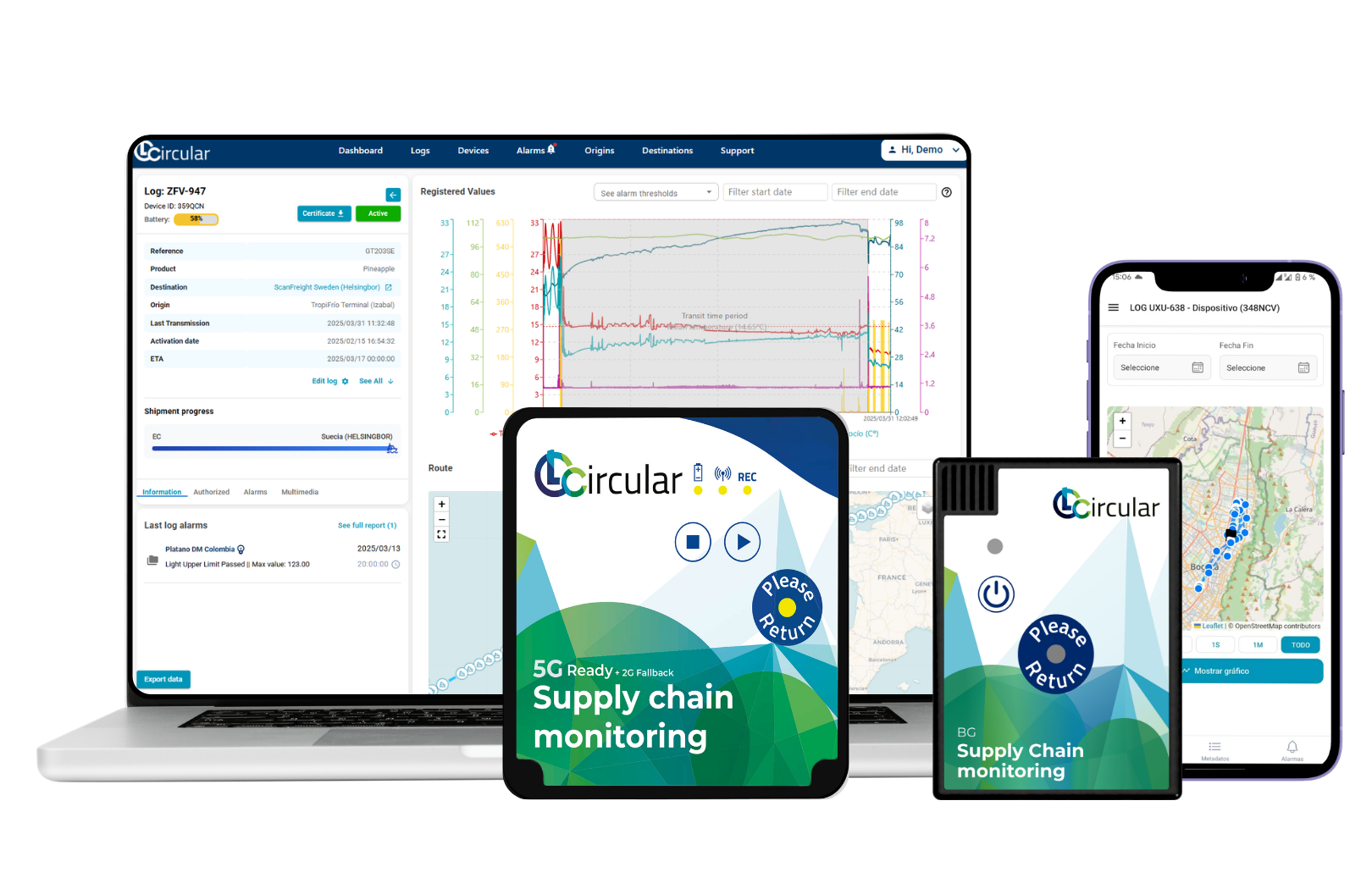
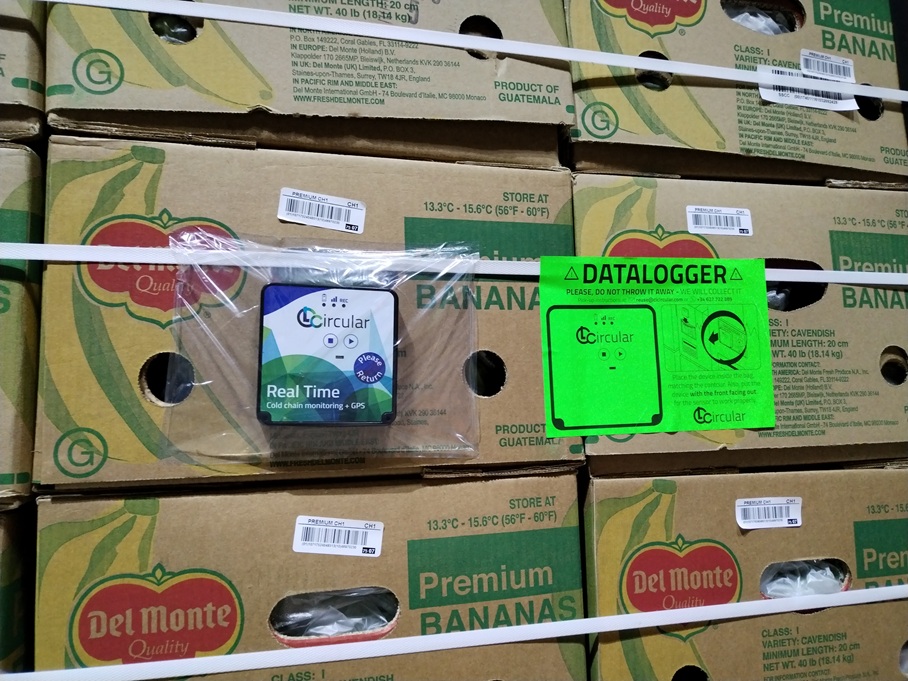
CLCircular is a real-time monitoring solution for goods transported in shipping containers, particularly perishable goods or sensitive cargo. It works using reusable IoT sensors that are placed next to the cargo and record critical information such as temperature, humidity, impacts, door openings, and geolocation.
The solution began as a minimum viable product in 2021. In this context, the goal of the Ports 4.0 project has been to make a technological and operational leap forward: to evolve the platform, develop a new generation of sensors, and automate reverse logistics processes so that the model can scale efficiently, robustly, and internationally.
In short, the project has helped strengthen a solution that has been proven in the market, making it better equipped to scale and provide greater visibility, traceability, and control in international supply chains.
What specific problem in the port logistics sector does your project address?
The project addresses the lack of real-time visibility into what happens to cargo during maritime transport. In many operations, information on temperature, incidents, or transport conditions is only available once the container reaches its destination. At that point, the ability to take action is very limited, and the information is used primarily to determine liability or handle claims. This problem is particularly relevant for perishable goods, where a temperature deviation, an unauthorized opening, or a delay can result in significant losses.
Although real-time monitoring solutions exist, they have historically been costly and have not always been feasible for low-margin products or high-volume operations. CLCircular addresses this challenge through a model that combines reusable sensors, reverse logistics, and a secure platform for data management among different stakeholders. The goal is for information to arrive on time, for companies to be able to act before the damage becomes irreversible, and for the technology to be viable in real-world, scalable operations.
How did the idea for the project come about?
The idea stems from Arctic Sea’s previous experience in cold chain monitoring. While working with exporters and importers of perishable goods, three clear market limitations were identified. First, many sensors ended up being discarded after a single use, even though they were technically still functional. In addition, many devices only provided information at the end of the journey, by which time it was no longer possible to prevent the incident. Finally, solutions with real-time communication were too expensive for widespread use in sectors such as the agri-food industry.
Given these limitations, CLCircular was developed with a clear goal in mind: to combine real-time monitoring, sensor reuse, and reverse logistics to reduce costs, food waste, and environmental impact.
What were the main challenges you faced during the development of the project?
The main challenge has been making reverse logistics work efficiently in an international setting. It is not enough to design a reusable sensor; it is necessary to ensure that the sensor is recovered, inspected, reconditioned, and reused in another operation at the lowest possible cost and with minimal loss. This requires coordinating many parties: exporters, importers, recipients, logistics hubs, internal teams, and suppliers. It also requires knowing where each sensor is, what condition it is in, how long it takes to return, and which points in the process cause deviations.
From a technological standpoint, another major challenge has been to evolve both the device and the platform. The solution was already in use in the market, but it needed a more scalable version with improved features, greater automation, and an architecture capable of handling higher volumes.
What innovative technologies or methodologies did you use?
The project combines several layers of innovation. On the one hand, it uses reusable IoT sensors that record data on temperature, humidity, impacts, door openings, and geolocation. On the other hand, it relies on a cloud platform that displays trip information, manages data, and generates alerts.
During the project, internal automation processes were also developed to better manage the sensor lifecycle: automatic decommissioning, recovery monitoring, integration with management systems, and data analysis. In addition, various algorithms based on artificial intelligence and machine learning have been developed to detect relevant events, such as a container door closing, the start and end of a trip, estimated time of arrival, or temperature set-point analysis.
Innovation lies not only in the sensor or the platform, but in the entire model: real-time data, device reuse, reverse logistics, operational automation, and confidentiality across different customers and trips.
What concrete results has the project achieved so far?
The project has enabled the completion of the planned phases: setting up reverse logistics processes, developing new IoT devices, upgrading the platform, integrating with internal operational processes, analyzing results, and commercial planning.
Among the most significant achievements are the development of a platform better suited for scaling and a new generation of sensors designed for multiple applications. Progress has also been made in the automation of internal processes and in device recovery management.
In a pilot project involving 1,077 sensors and two clients in Colombia and Ecuador, a recovery rate of 89% was achieved, with an average recovery time of 76.5 days. These data have provided a better understanding of where deviations occur and how to optimize the recovery model.
In addition, the patent has been granted in the European Union, the United States, Mexico, and China.
How has the project improved efficiency or sustainability in the port sector?
CLCircular improves efficiency in the port sector by enabling action to be taken before problems escalate. When a company has access to real-time data, it can detect a temperature deviation, a door opening, or an incident during transit—not just when the container arrives at its destination. This changes the way the logistics chain is managed, as exporters, importers, logistics operators, insurers, and port authorities can make decisions based on more accurate information, reduce uncertainty, and avoid losses or complex claims.
In terms of sustainability, the impact is also clear. On the one hand, reusing sensors reduces electronic waste compared to models based on single-use devices. On the other hand, monitoring transport conditions helps reduce losses of food and other perishable goods.
Do you think the project has potential to be scaled up or replicated in other ports or sectors?
Yes. One of the key takeaways from the project is that the problem CLCircular solves is not limited to a specific route or a single type of cargo. The lack of visibility regarding cargo, the need for traceability, incident management, security, and loss reduction are common challenges in many logistics corridors and international ports.
Although the solution was originally developed with a strong focus on perishable goods and refrigerated containers, it can also be applied to other sectors where it is important to monitor transport conditions or the integrity of the cargo. The new platform, the new sensors, and the processes developed under the Ports 4.0 framework specifically reinforce this scalability, both in other ports and in other markets.
What advice would you give to other entrepreneurs or innovators who are considering participating in Ports 4.0?
I would tell them to participate with an ambitious vision, but one that is closely tied to the industry’s real-world challenges. In port logistics, it’s not enough to have an interesting technology; the solution has to work in complex operations involving many stakeholders, international routes, regulatory restrictions, and very specific needs. I would also recommend using the process to listen to the market, organize the project well, and validate not only the technical aspects but also the operational and commercial ones.
In our case, Ports 4.0 has provided an opportunity to strengthen a solution that needed to evolve to handle larger volumes and more complex operations. It is a valuable tool for transforming a promising concept into something more robust, scalable, and capable of making a real impact.
How do you think the Ports 4.0 grants have contributed to the success of your project?
Ports 4.0 has been a crucial partner in accelerating the development of CLCircular and taking the solution to the next level. Thanks to this support, we have been able to address key areas for scaling the model: the automation of reverse logistics, the redesign of the platform, the development of new sensors, validation and certification, integration with internal systems, and the first algorithms to improve operational efficiency.
It has also raised our profile within the logistics and port ecosystem. For a company like ours, this support has been particularly valuable because it has allowed us to consolidate a technology that has already been validated and prepare it to handle higher volumes, greater automation, and greater scalability.
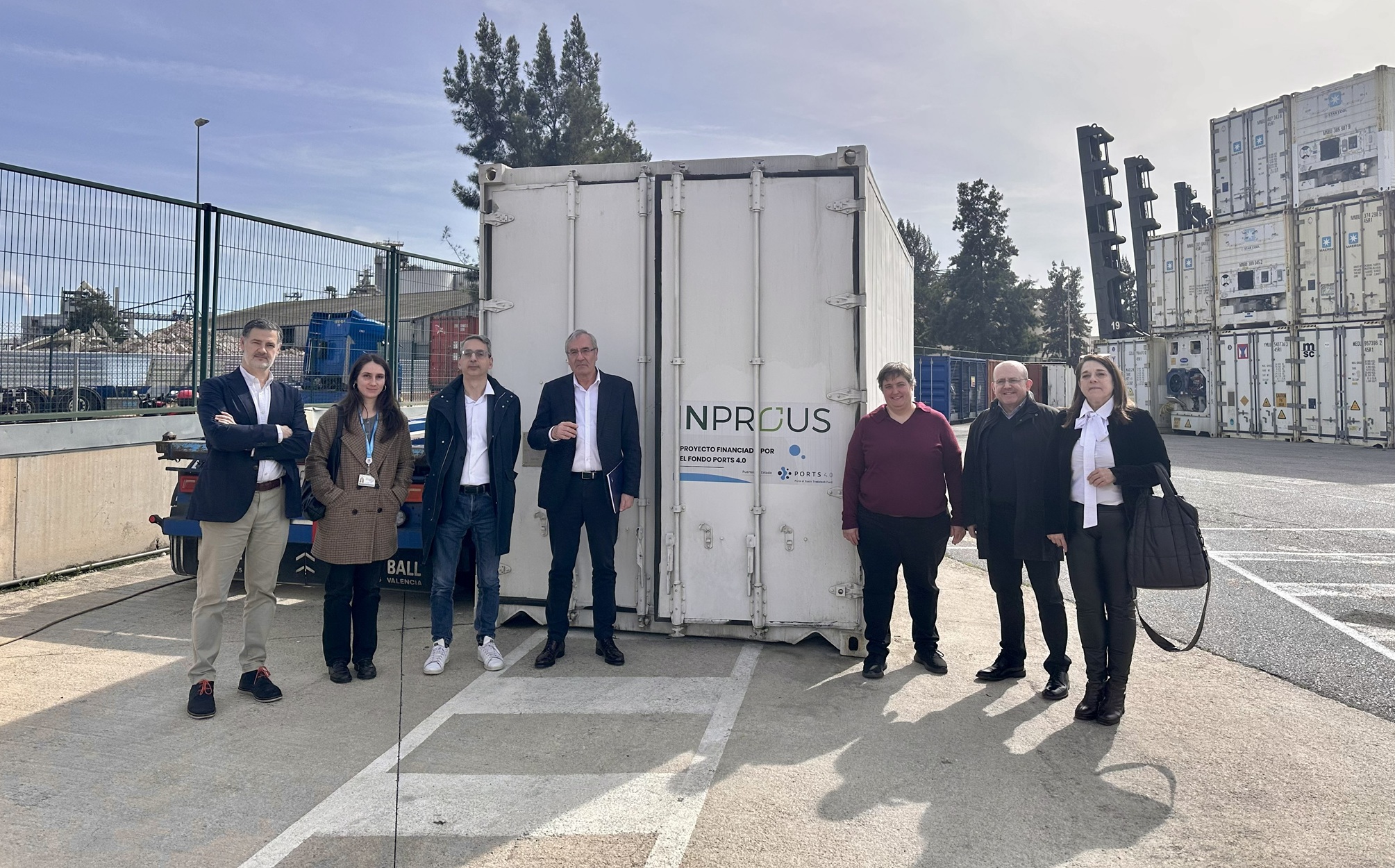 INDUSTRIAL PROCESSES OUTSORCING SERVICES S.L., beneficiary company of the Ports 4.0 grants, performs the final demonstration of the SmartEcoReefer project.
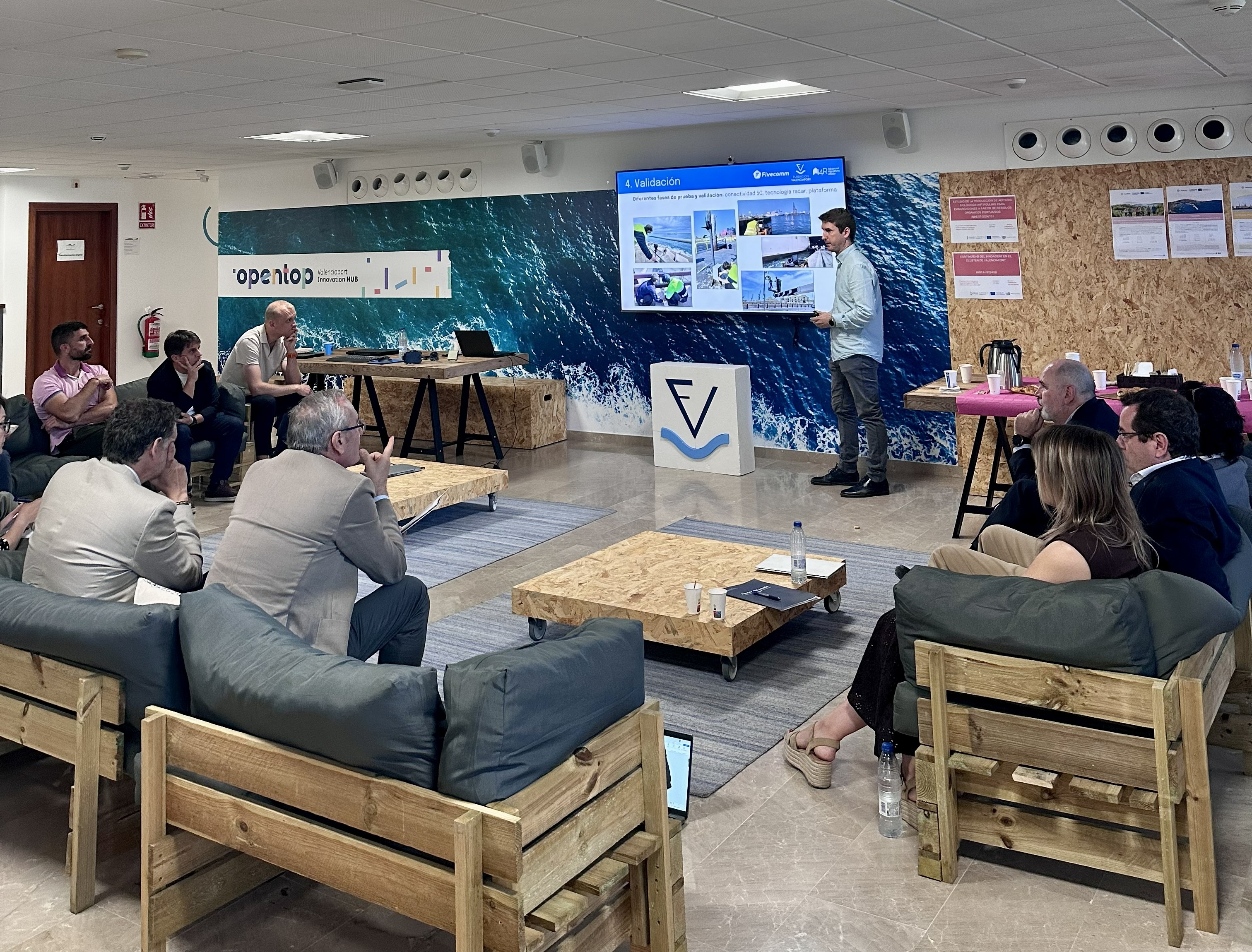 5G COMMUNICATIONS FOR FUTURE INDUSTRY VERTICALS S.L., ADVANCED ALGORITHMS 4 RADAR, S.L. and FUNDACIÓN VALENCIAPORT, companies receiving grants from Ports 4.0, are conducting the final demonstration of the 5G RADAR FOR SMART TRANSPORT project