

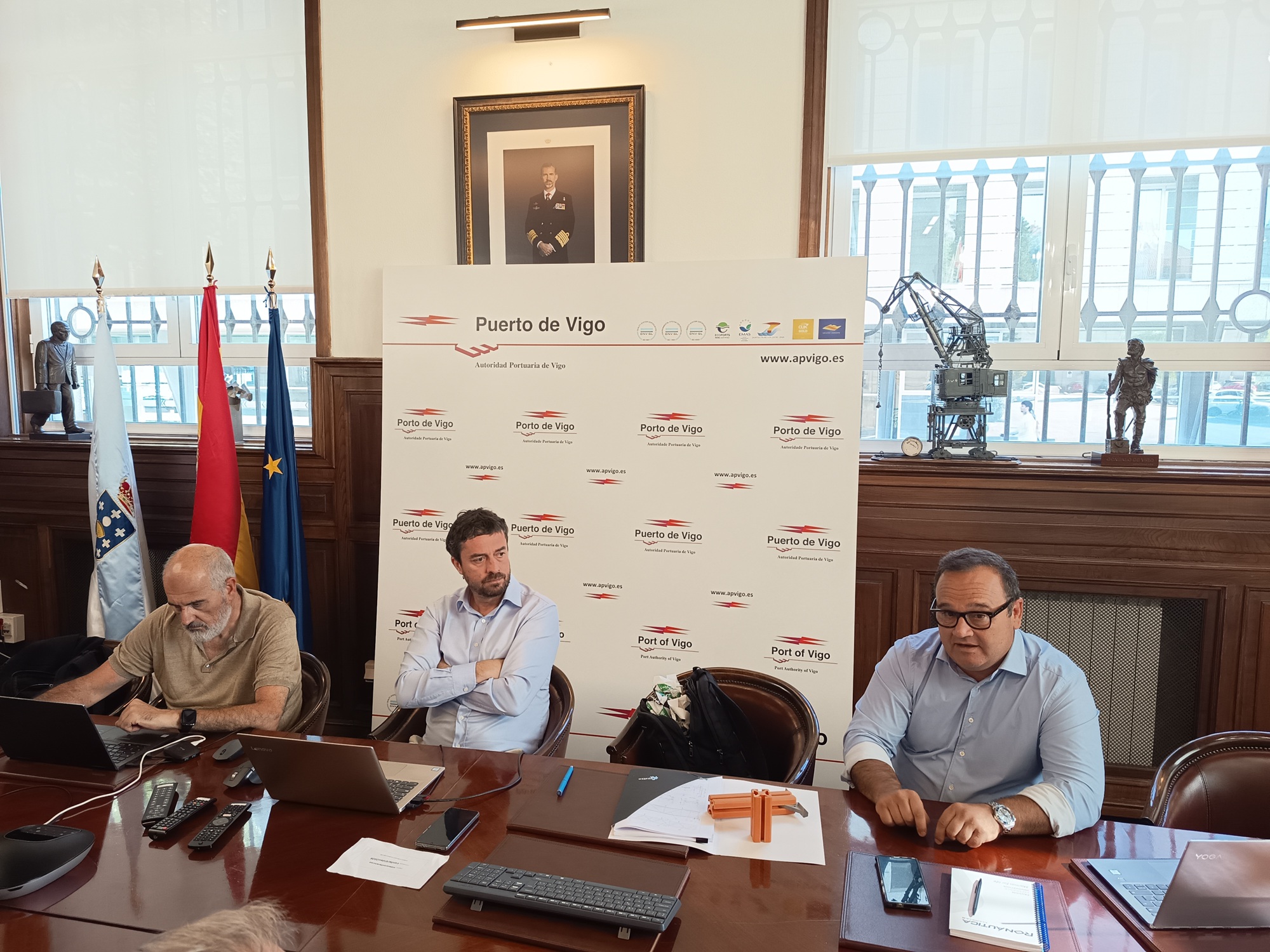
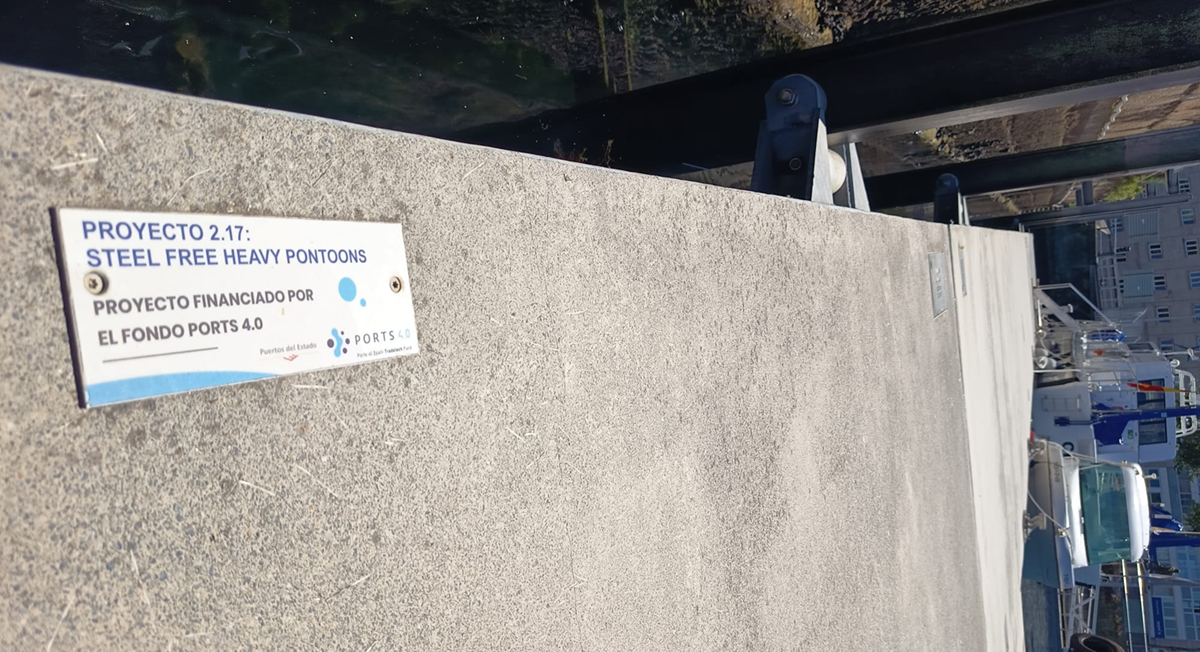
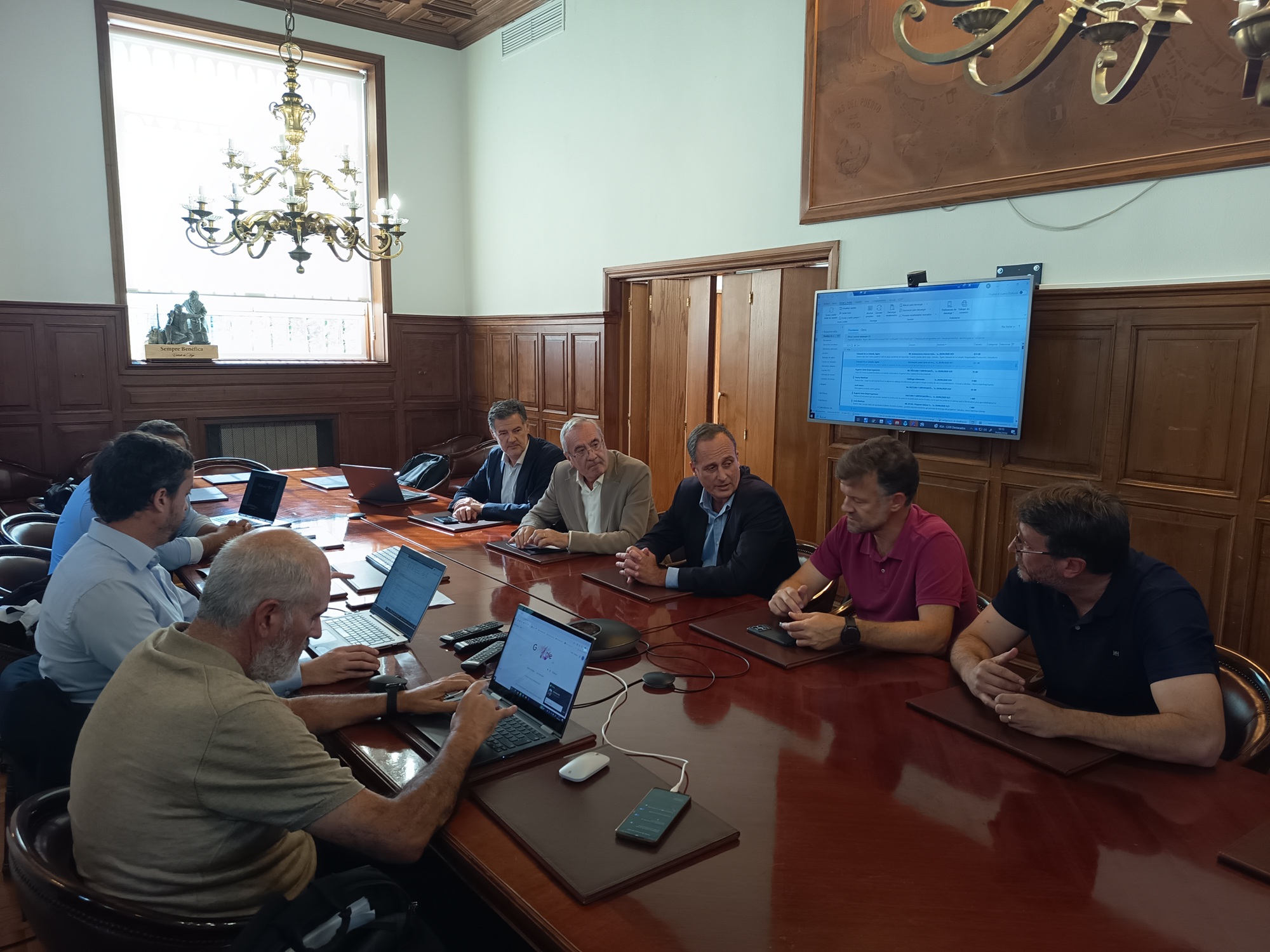
The consortium led by RONAUTICA MARINAS and AQUATICA INGENIERÍA CIVIL, in collaboration with the UNIVERSITY OF A CORUÑA, which is responsible for the “STEEL FREE HEAVY PONTOONS” project—funded by the Ports 4.0 Fund of Puertos del Estado—has conducted the final demonstration of the project at the Port of Vigo. The test was attended by the head of the Innovation Division and the head of the Innovation Project Monitoring Department, along with the project managers from each member of the consortium.
The goal of the project is to transform port infrastructure by developing concrete piers whose name,“Steel Free,”specifically refers to their structural core. By replacing the internal metal reinforcement with a fiber-reinforced polymer (CPRF) frame, the system eliminates the problem of structural corrosion at its root, drastically reducing maintenance costs and offering a service life far superior to that of conventional systems. However, to meet the technical requirements for strength and operability, the project incorporates metal components into the mooring systems and safety accessories, resulting in a highly stable structure suitable for berthing large vessels.
To achieve this milestone, the consortium has redesigned the construction process using the pultrusion technique, creating high-strength profiles that are assembled in a modular fashion. This advancement allows for great logistical versatility, facilitating on-site manufacturing and rapid assembly even in international markets. Previously, they had already developed a state-of-the-art numerical tool that accurately calculates how the pontoons will behave in waves, facilitating their design and ensuring operational safety.
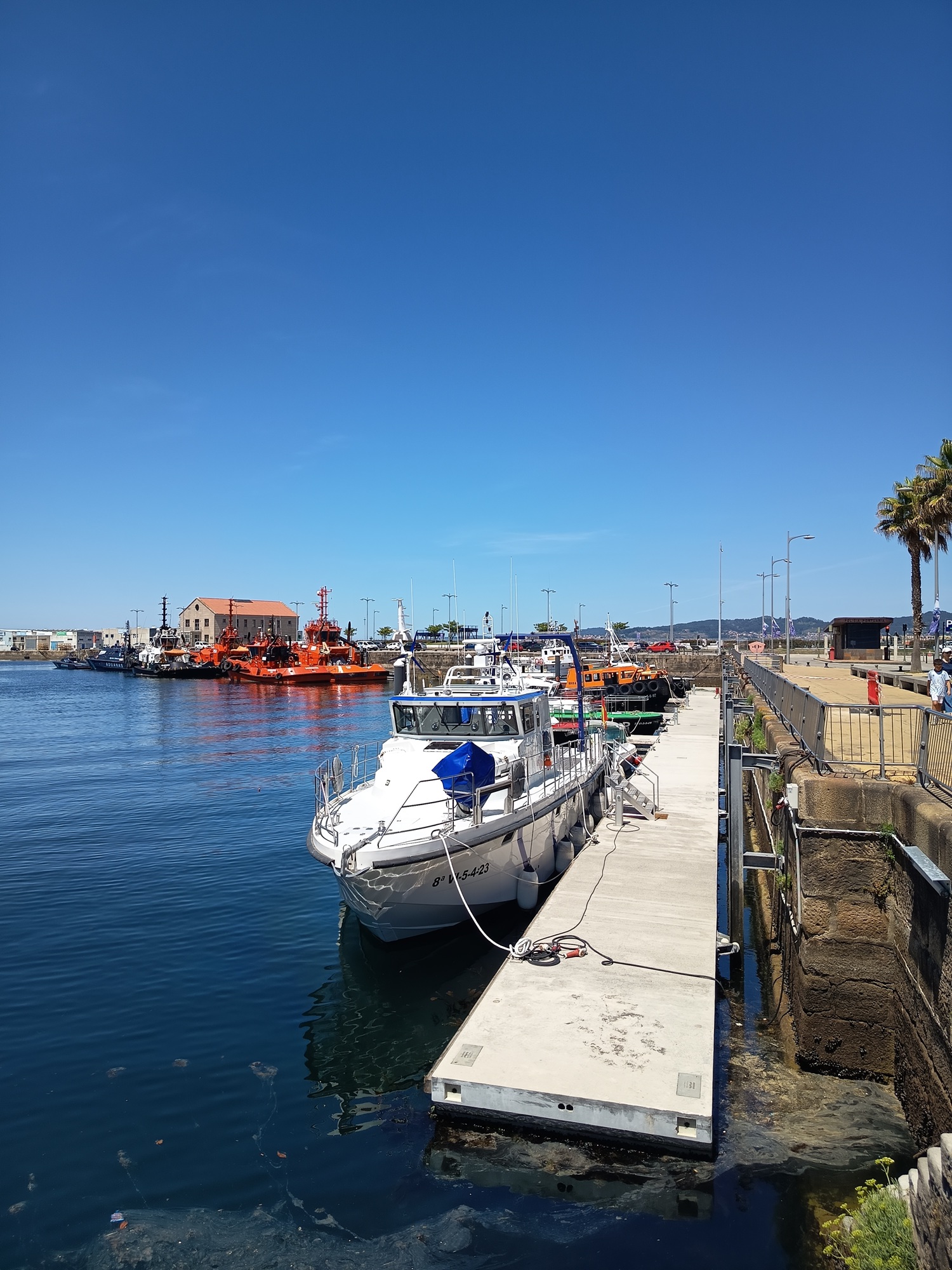
In practice, the project has deployed two operational infrastructures at the A Laxe Dock (Vigo) to validate the system in a demanding real-world environment. The first installation was designed to serve pilot boats and workboats, while the second involved the installation of high-freeboard docks for passenger catamarans. The system’s robustness and effectiveness have been demonstrated during its operational use, including its role as support infrastructure for the international Le Solitaire du Figaro regatta.
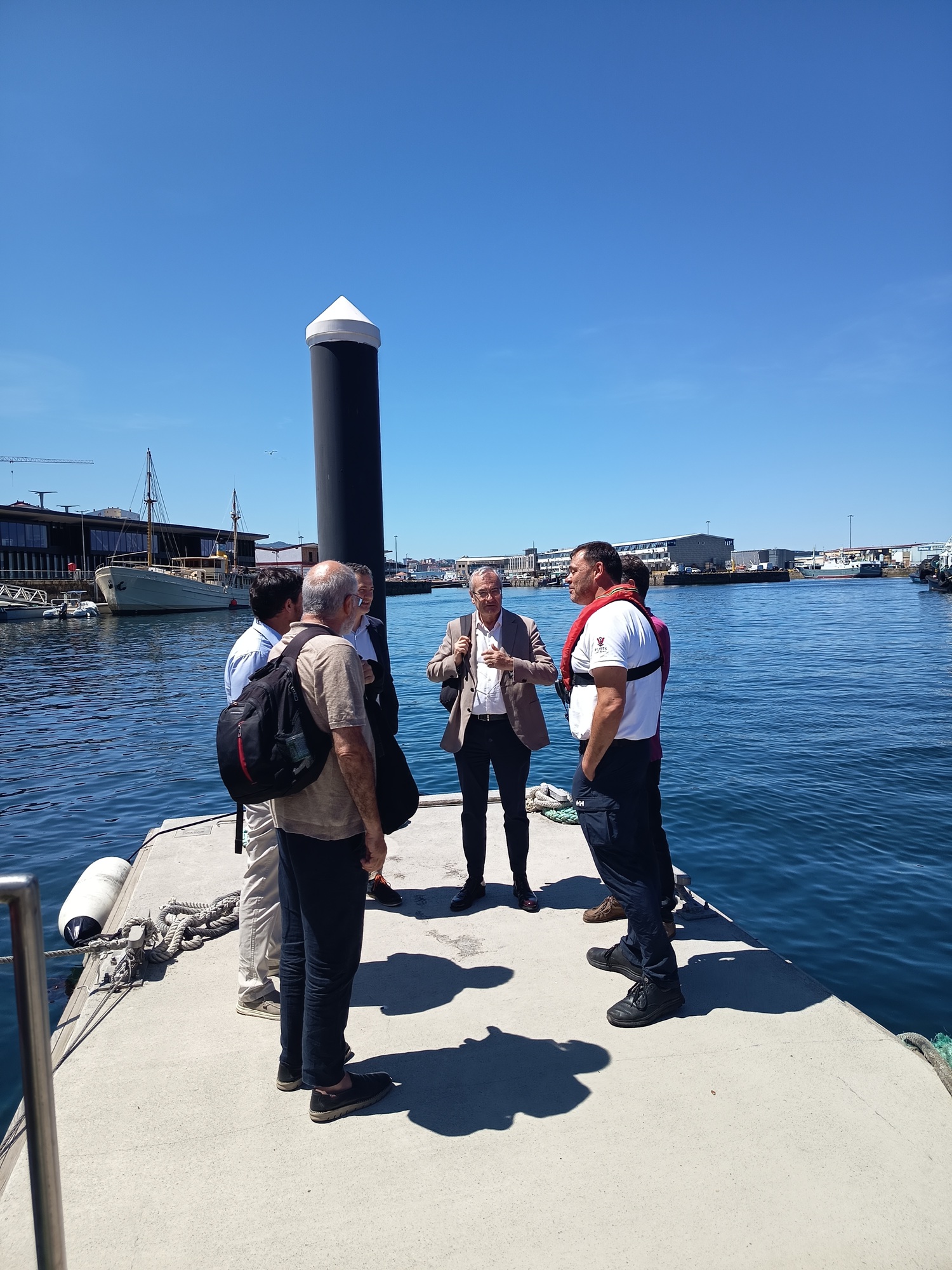
Following the presentation and technical briefing on the properties of the materials and the various tests conducted at the CITEEC construction laboratory at the University of A Coruña, a tour was conducted of the pontoons installed in the Port of Vigo. The solution stands out not only for its sustainability and elimination of structural corrosion, but also for its logistical competitiveness, allowing components to be manufactured anywhere in the world.
The solution has been fully developed and is already in the marketing phase.
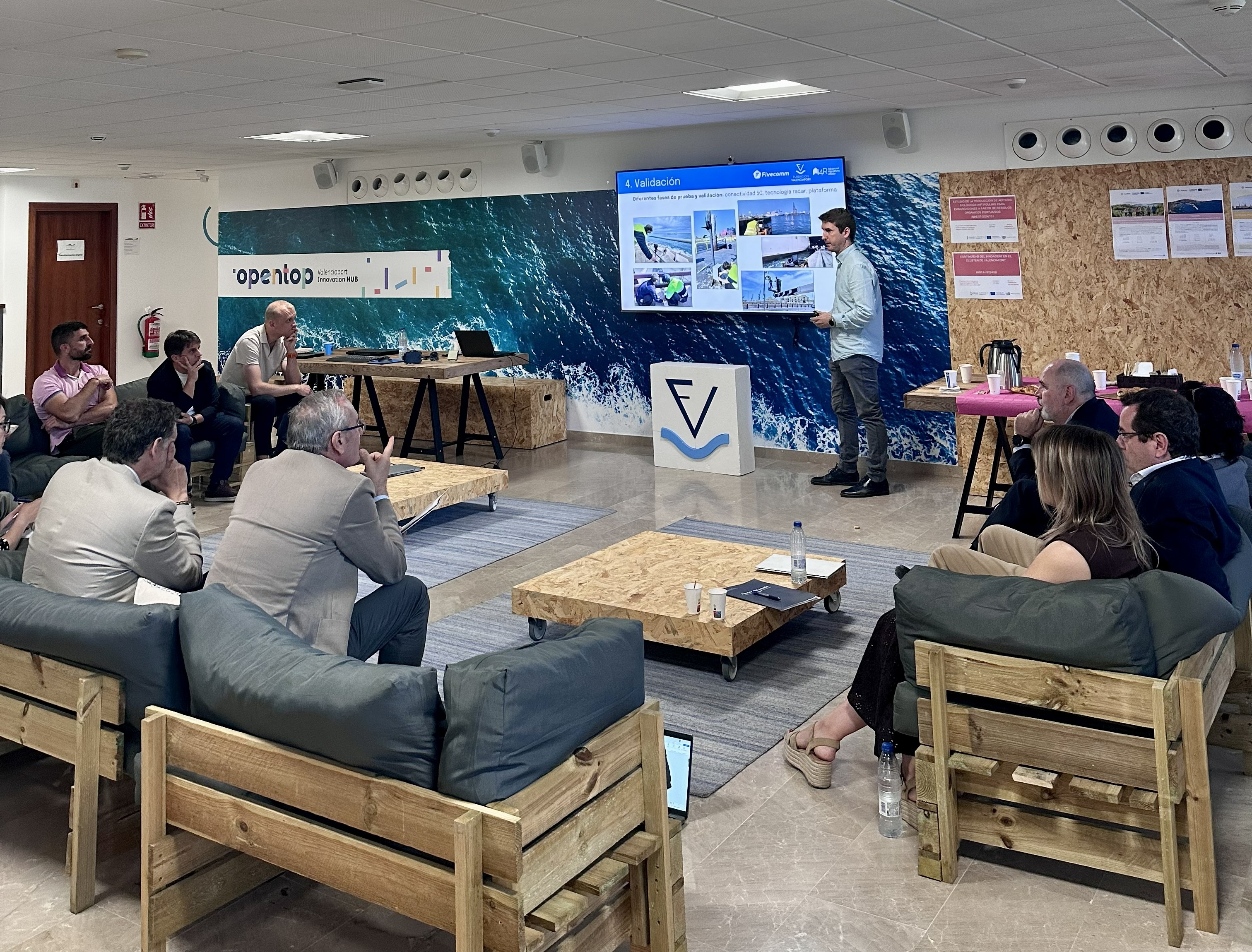 5G COMMUNICATIONS FOR FUTURE INDUSTRY VERTICALS S.L., ADVANCED ALGORITHMS 4 RADAR, S.L. and FUNDACIÓN VALENCIAPORT, companies receiving grants from Ports 4.0, are conducting the final demonstration of the 5G RADAR FOR SMART TRANSPORT project


